What You’ll Learn
What does “fully compliant” really mean when it comes to crane services in DE?
“Fully compliant” doesn’t just mean having safe equipment—it means meeting OSHA, DOT, state, and local standards at every step of the job.
It’s about protecting your team, avoiding fines, and ensuring projects run without costly interruptions.
Get a clear understanding of why compliance matters and how Active Crane delivers it.
In this blog:
Your new chiller is 40 feet up in the air.
It’s a huge investment, held up by nothing but rigging and trust in the crane company you hired.
When you’re managing a construction project, there’s no room for shortcuts.
Between deadlines, budgets, and crew safety, every decision matters—especially when it comes to crane rental services.
Choosing a crane service in Delaware that operates with full regulatory compliance isn’t just about checking a box—it’s about protecting your people, safeguarding your project timeline, and ensuring financial stability.
The Costly Consequences of Crane Non-Compliance
Cutting corners might look like a shortcut to stay on budget, but the risks are far greater than the reward.
Here are some of the biggest consequences of working with non-compliant rigging companies:
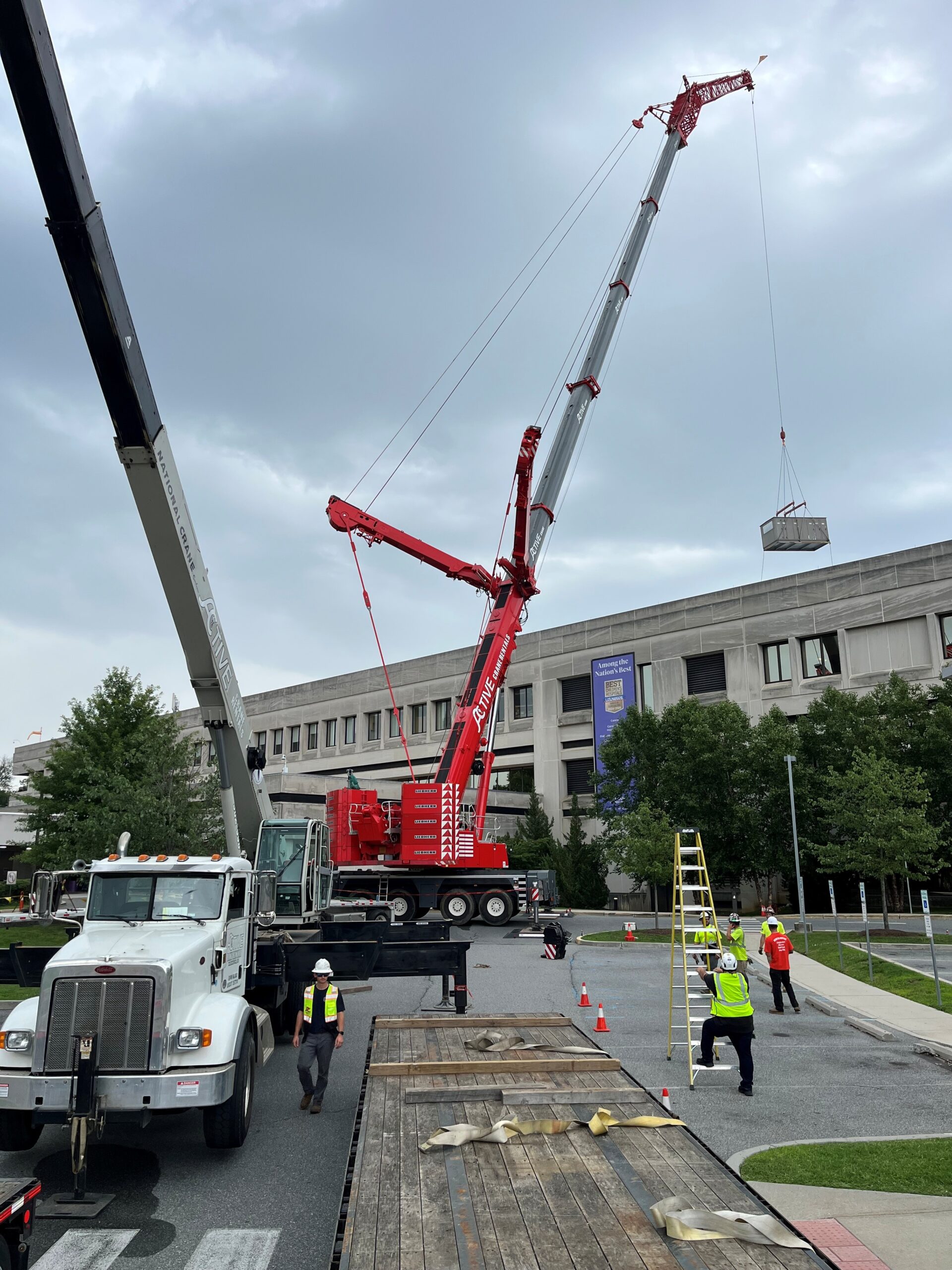
- Project Shutdowns: An unannounced inspection can halt your project immediately if violations are found. Every day of downtime costs money, damages reputations, and jeopardizes client relationships.
- Accidents and Injuries: Improperly inspected equipment or undertrained operators can cause accidents ranging from dropped loads to catastrophic crane failures. These incidents put lives at risk and create enormous liability.
- Insurance Issues: If an accident occurs and your crane rental provider is found to be non-compliant, insurance coverage may be denied—leaving your company financially exposed.
- Damaged Reputation: Safety is the backbone of trust in the construction industry. One compliance issue can damage relationships with clients, subcontractors, and stakeholders.
- Fines and Penalties: OSHA fines can reach up to $16,000 per violation, and “willful” or “repeat” violations can cost significantly more. DOT penalties for transport violations add to the financial hit.
Understanding the Regulatory Landscape
Cranes and rigging operations are heavily regulated for good reason.
They involve massive loads, complex machinery, and potentially life-threatening risks if anything is overlooked.
Here’s a closer look at the compliance environment your crane service provider must navigate:
OSHA Standards
The Occupational Safety and Health Administration (OSHA) sets strict federal standards for crane operations, including:
- operator certification
- inspection schedules
- load testing
- rigging procedures
Violations can lead to significant fines, and in cases of serious injury or fatality, potential legal liability.
DOT Regulations
Because cranes and heavy rigging equipment often need to be transported across roadways, the Department of Transportation (DOT) enforces vehicle safety standards, load securement requirements, and driver qualifications.
Non-compliance here can mean impoundments, delays, and steep penalties.
State and Local Requirements
Beyond federal standards, Delaware enforces its own crane-specific laws around permits, routes, and transport times. Here’s what you need to know:
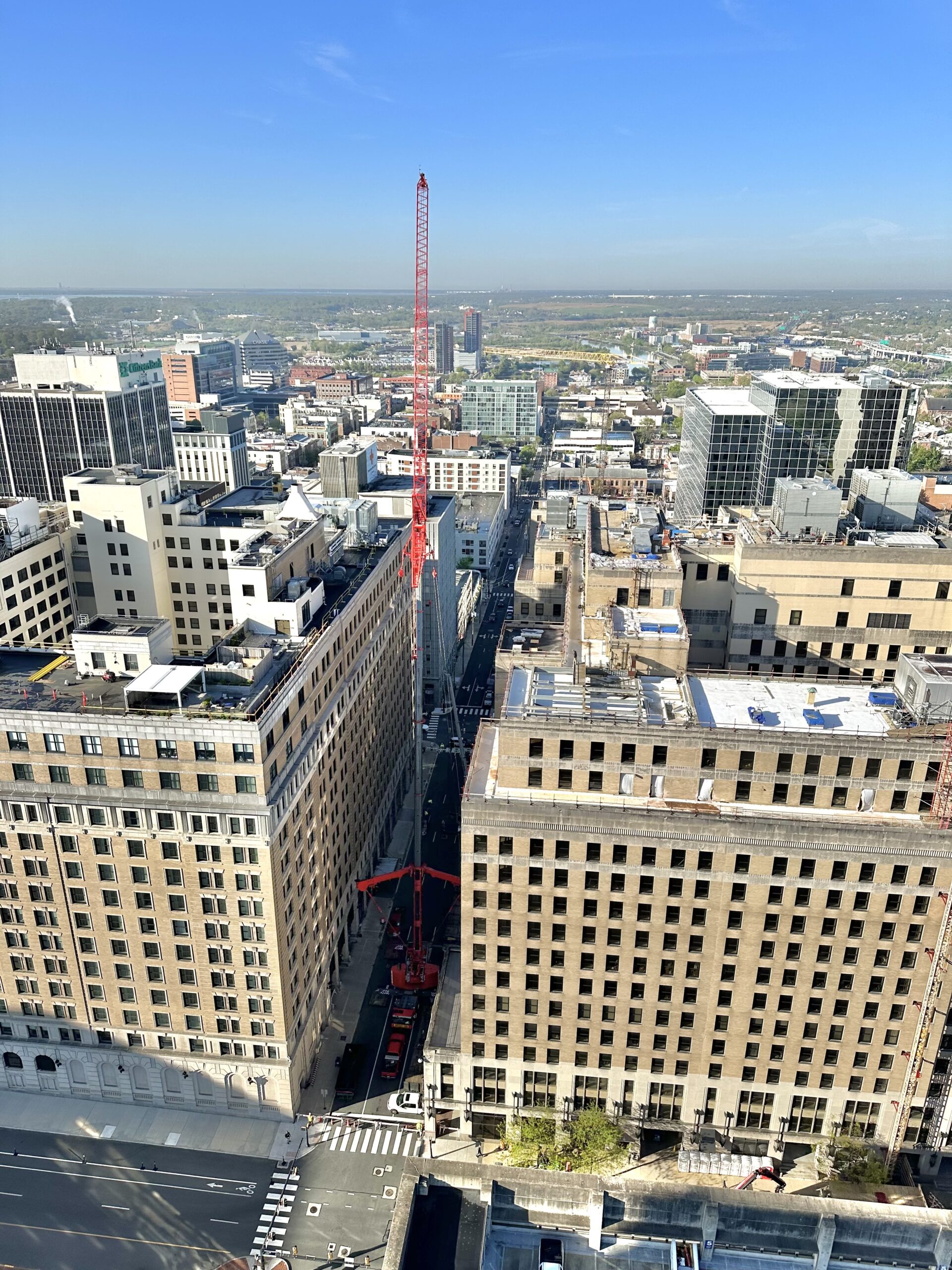
- Permits & Transport Authorization: Delaware allows operators to apply for an annual blanket permit for self-propelled cranes, which includes unlimited movement across designated routes—but with conditions. These cranes must comply with size, weight, and lighting standards, and holders must submit detailed documentation (e.g., crane dimensions, weight certifications, photos) to DelDOT.
- Travel Timing in Congested Areas: Even with a valid permit, movement of cranes may be restricted during AM and PM commuter travel periods in designated congested zones. Permit holders must obtain current travel restrictions from DelDOT before beginning a move.
- Route Limitations & Restrictions: Certain roads in Wilmington and surrounding regions restrict trucks with more than two axles from through travel—often limiting oversized cranes to local deliveries only. Some routes, like SR 273 and various city streets, prohibit stopping or standing of crane-equipped trailers.
Failing to account for these state and local nuances—like restricted routes or rush-hour limits—can result in permit violations, delays, and added logistics complexity.
Why Choosing a Compliant Partner Reduces Your Risk
When you choose a crane service in Delaware that prioritizes compliance, you’re doing more than renting equipment—you’re reducing risk at every level of your project.
Here’s how:
- Safety for Your Team: Compliance ensures every lift meets the highest safety standards, protecting workers from accidents and injuries.
- Financial Protection: Avoiding fines, shutdowns, and liability claims keeps your project financially secure.
- Operational Efficiency: With compliant equipment and trained operators, your project runs smoothly without interruptions.
- Client Confidence: Demonstrating that you’ve partnered with a fully compliant crane rental service boosts trust and credibility with clients and stakeholders.
How Active Crane Promises Full Compliance
So, what does it mean when a crane service provider promises full compliance?
At Active Crane, it means every aspect of our operations is held to the highest possible standard.
Here’s how we make that commitment real:
1. Stringent Inspection Schedules
Every piece of equipment in our fleet undergoes routine, documented inspections that go above and beyond OSHA requirements.
Daily, monthly, and annual checks ensure our cranes and rigging equipment are always in peak condition before arriving at your site.
2. Up-to-Date Certifications
Our cranes and rigging gear maintain up-to-date certifications that prove compliance with:
- State
- Federal
- Manufacturer requirements
Nothing goes out on a job until it meets every safety and compliance benchmark.
3. Highly Trained Operators
A crane is only as safe as the person operating it.
That’s why our operators are not only OSHA-certified but also trained continuously on new:
- safety standards
- rigging techniques
- jobsite protocols
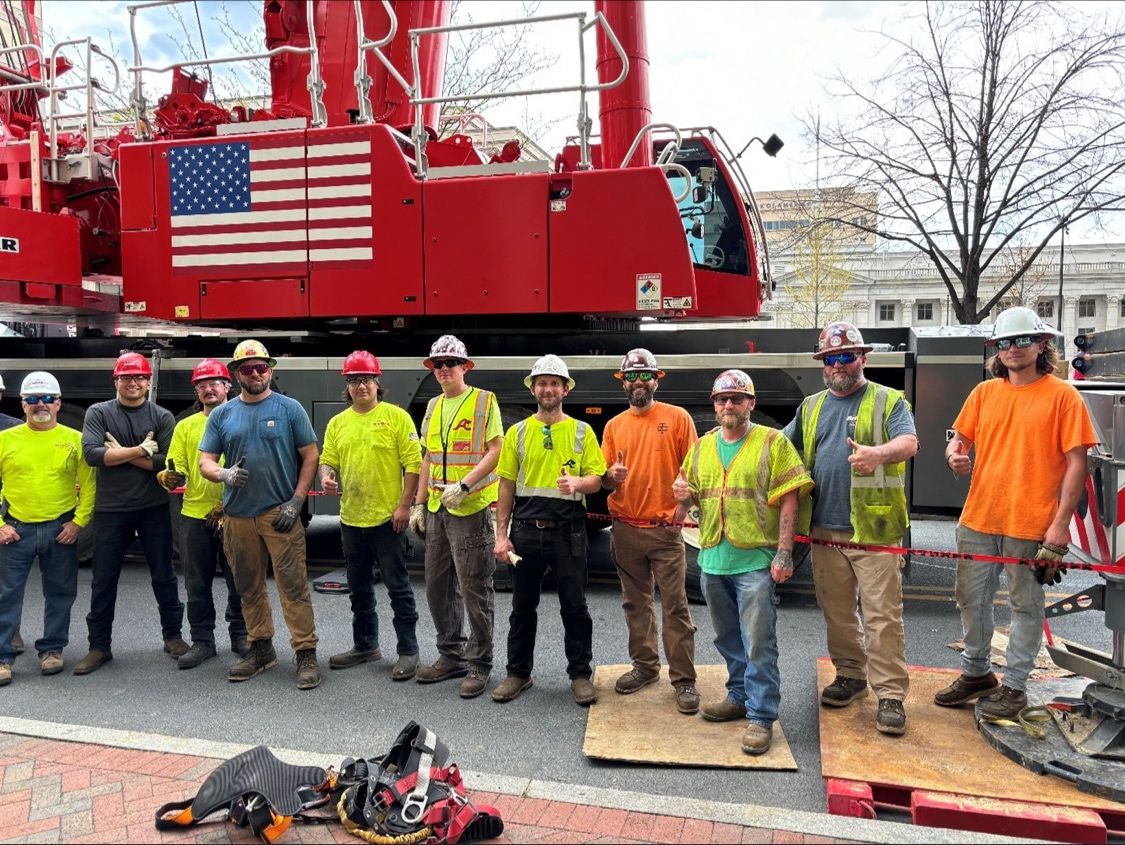
Their expertise reduces risk, prevents accidents, and ensures precise execution.
4. Robust Documentation
Paperwork matters. Active Crane provides thorough documentation for every project, including inspection reports, certifications, operator qualifications, and lift plans.
This transparency keeps you prepared for audits, inspections, and peace of mind.
5. Rigging Expertise
As one of the most trusted rigging companies in PA, we go beyond simply delivering equipment.
Our team advises on the right rigging configurations for complex lifts, ensuring compliance and safety are never in question.
We’ll Do the Heavy Lifting
Compliance is the foundation of safe, efficient, and financially secure crane operations.
Partnering with a fully compliant crane service protects your people, your project, and your reputation.
Move forward knowing your project is supported by one of the most trusted rigging companies in the region.
Don’t compromise on safety. Request an estimate from Active Crane today.
FAQs
Why is compliance important when choosing a crane service?
A fully compliant crane service:
- protects your crew
- avoids fines
- keeps projects on schedule
- saves you from costly shutdowns and liability issues
Compliance ensures your crane rental follows OSHA, DOT, state, and local safety regulations.
What does “fully compliant” mean for rigging companies?
For rigging companies, “fully compliant” means:
- certified operators
- documented inspections
- up-to-date equipment certifications
- strict adherence to safety regulations
It guarantees every lift is performed safely, legally, and efficiently.
How often should crane rental equipment be inspected?
Cranes and rigging equipment must be inspected daily, monthly, and annually to meet OSHA standards.
A reliable crane service provides thorough inspection records before arriving on your jobsite, ensuring safety and compliance.
Can non-compliant rigging companies affect project costs?
Yes. Hiring non-compliant rigging companies can lead to:
- OSHA fines
- Project shutdowns
- Accidents
- Insurance coverage issues
These risks quickly outweigh any upfront savings, making compliance the most cost-effective choice.
How does Active Crane ensure compliance for every project?
Active Crane maintains a strict inspection schedule, employs OSHA-certified operators, and provides complete documentation for all equipment and lifts.
As one of the leading rigging companies in Delaware, we deliver compliance and peace of mind.
Recent Comments