
What You’ll Learn
How do I accurately evaluate a crane partner without getting trapped by misleading rates?
For project estimators, the cheapest option isn’t always the most cost-effective.
True value comes from understanding hidden costs, logistics management, and how a partner’s expertise affects schedule and budget.
In this blog:
It’s tempting to make rental decisions solely on hourly or daily rates.
After all, at first glance, the cheapest crane seems like the most budget-friendly choice.
But for project estimators, the reality is more complex.
The true cost of a crane isn’t just the rental rate—it’s the impact on your schedule, logistics, and total project budget.
Choosing the wrong partner can lead to hidden expenses, delays, and even safety risks that far outweigh any upfront savings.
Why Total Cost is More Than a Rate
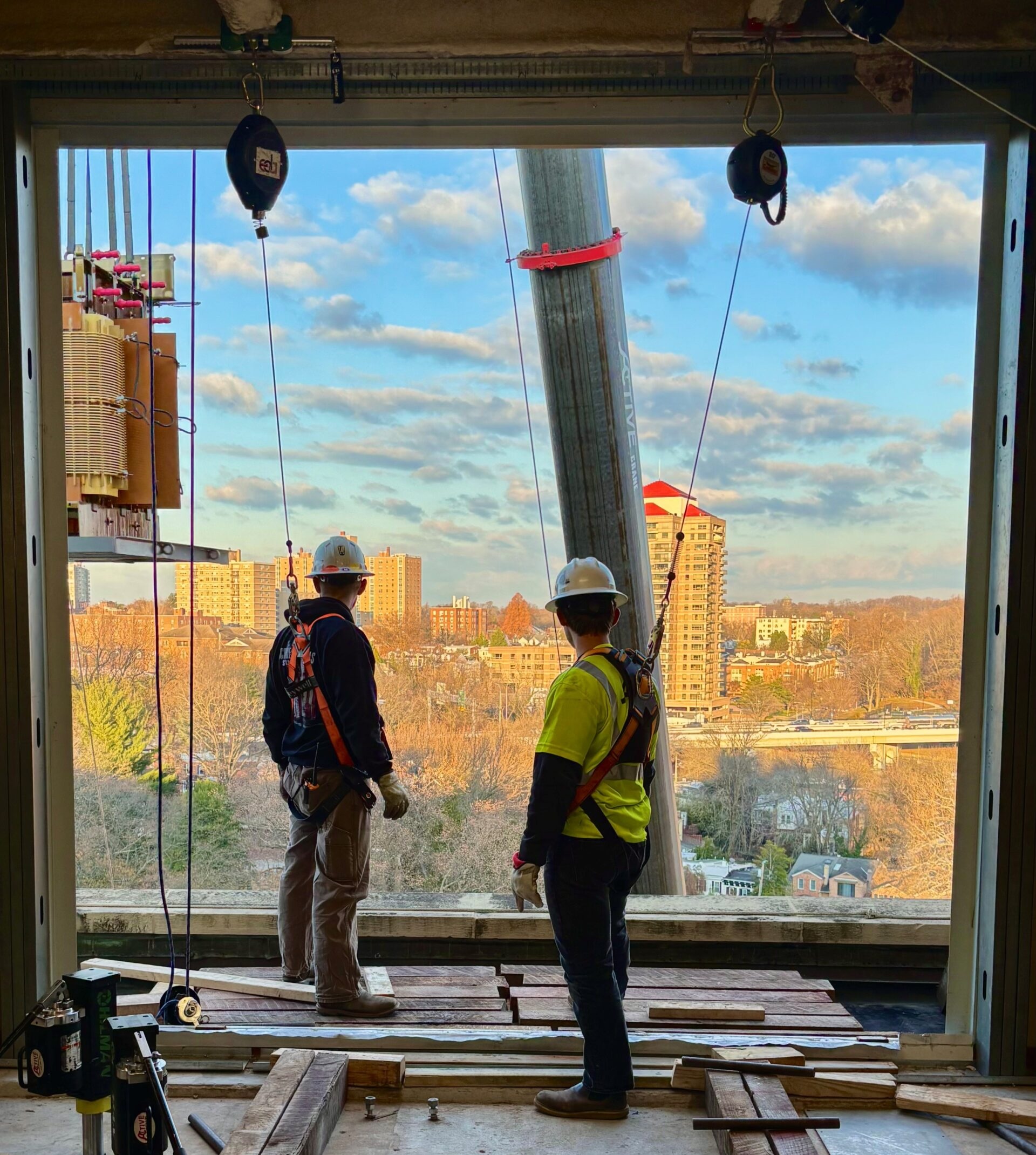
To accurately estimate crane costs, you need to look at the total project impact, including:
- Permitting and regulatory compliance
- Traffic control and route planning
- On-site rigging expertise
- Equipment mobilization and setup
- Real-time problem solving during lifts
Each of these factors directly affects productivity, safety, and budget adherence.
A partner who manages them efficiently reduces the chance of costly delays, making their overall service more economical—even if their hourly rate is slightly higher.
Managing Permitting and Regulatory Challenges
Permitting is often one of the most overlooked cost drivers. Depending on the size and type of crane, as well as the site location, you may need:
- Local or state permits
- Oversize load approvals
- DOT and traffic management plans
A crane partner that handles permitting in-house saves you time, reduces the risk of fines, and prevents delays caused by missing or incomplete documentation.
They know the local agencies, rules, and required lead times, allowing your team to focus on project execution rather than paperwork.
Traffic Control and Logistics
Many projects require moving cranes through busy streets or congested construction zones. Without careful planning, even a short route can create delays:
- Morning or evening rush hours may restrict the movement of oversize cranes.
- Certain urban roads require escort vehicles or special timing windows.
- Jobsites with limited access may necessitate specialized rigging or temporary road closures.
An experienced crane partner anticipates these challenges and coordinates directly with authorities, preventing last-minute changes that can stall the project.
Rigging and On-Site Expertise
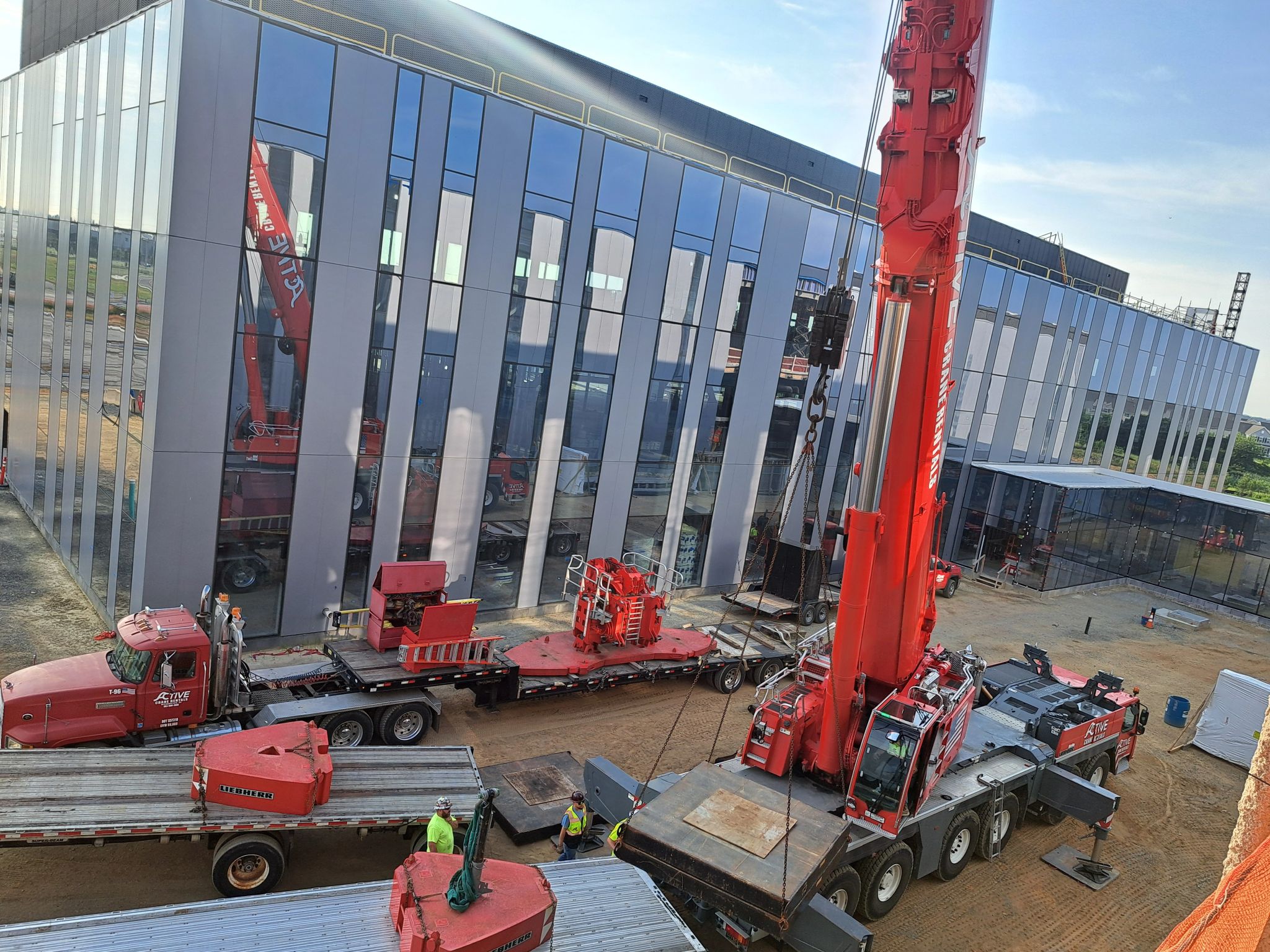
Complex lifts require more than raw lifting capacity. Proper rigging and lift planning ensure:
- Load balance, sling configuration, and spreader bar selection match the lift.
- Environmental factors like wind, ground stability, and overhead obstructions are evaluated.
- Adjustments are made in real time during the lift.
A crane partner that provides on-site technical guidance ensures lifts are executed the first time, avoiding costly re-lifts or damage to materials and equipment.
How Active Crane Reduces Hidden Costs
At Active Crane, we understand that the true value of a crane partner is measured by how well they manage the entire lift process, not just the rental rate.
Here’s how we help estimators control costs:
1. In-House Expertise
All permitting, traffic planning, and technical lift design are handled internally. You don’t need to coordinate separate vendors or chase approvals.
This reduces administrative overhead and ensures that all aspects of the lift are compliant and ready when the crane arrives.
2. Comprehensive Service Model
Active Crane’s process eliminates uncertainty from the first conversation. A detailed project discovery call gathers site conditions, lift specs, and deadlines so you get an accurate estimate and clear plan upfront.
Before the crane ever mobilizes, the team coordinates site requirements, verifies load details, prepares the lift plan, and ensures the right crane and rigging are selected. On lift day, the crew arrives fully briefed, and the operator manages any challenges directly on-site.
This end-to-end workflow removes delays, reduces miscommunication, and keeps your budget predictable.
3. Optimized 3D Lift Planning
3D lift planning delivers the accuracy estimators need. These simulations map out crane placement, boom angles, load paths, and obstructions before equipment arrives, eliminating guesswork.
By visualizing the lift upfront, you can choose the right-sized crane instead of oversizing, preventing unnecessary costs for larger equipment, additional matting, or extra rigging.
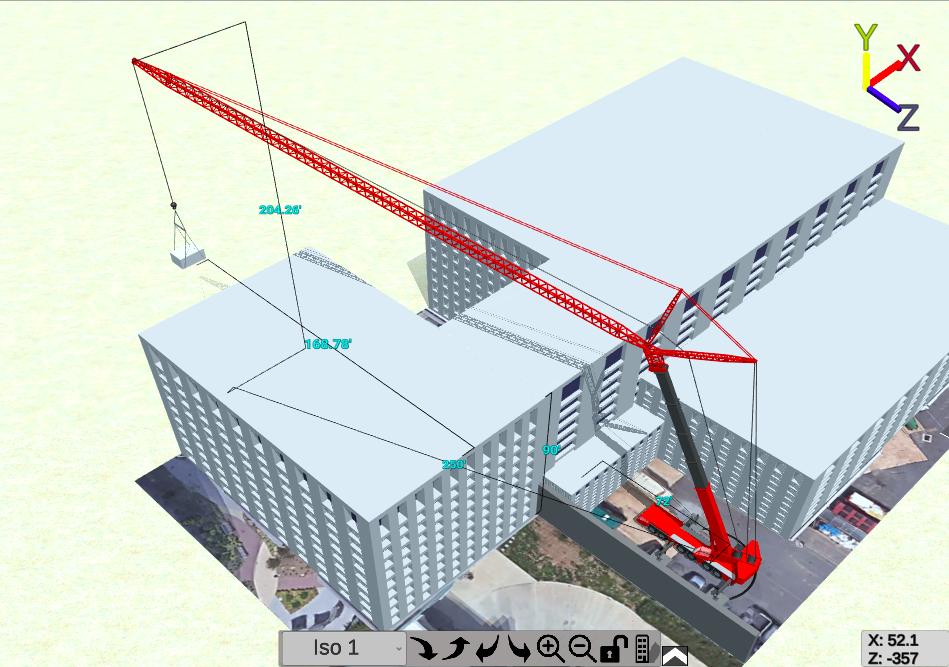
3D lift plans also identify potential conflicts early, ensuring a safer, more cost-efficient lift with no surprises on the day of execution.
4. Transparent Cost Estimates
We provide clear, detailed estimates that break down rates, mobilization, rigging, and any other charges. No surprises, no hidden fees.
This allows you to plan accurately and ensures your budget reflects the real total cost.
5. Proactive Problem Solving
Even the best-laid plans can encounter unforeseen obstacles.
Active Crane’s team handles real-time adjustments, whether it’s modifying rigging, repositioning the crane, or coordinating with authorities.
Each adjustment is made efficiently to prevent delays and additional costs.
Partner with Active Crane
The right crane partner is a strategic investment, not a line item to minimize all costs.
By evaluating total project impact, considering hidden costs, and partnering with an experienced provider like Active Crane, you can:
- Improve lift efficiency
- Reduce downtime
- Streamline vendor coordination
- Keep projects on budget
When you plan beyond simple rate comparisons, you save money, time, and stress while ensuring lifts are safe and successful.
Request an estimate today and discover how a full-service crane partner can make your next project both safer and more cost-effective.
FAQs
What is the true cost of a crane rental beyond the hourly rate?
The true cost includes mobilization fees, minimum rental periods, rigging equipment, permitting, traffic coordination, and potential downtime.
Evaluating only the hourly rate can miss these hidden costs, which can significantly impact the total project budget if not planned properly.
How can a crane partner reduce delays on a complex lift?
A knowledgeable crane partner handles permits, coordinates traffic, stages equipment, and provides on-site rigging expertise.
By managing logistics proactively, they prevent downtime, minimize disruptions, and ensure lifts are completed efficiently, keeping the project schedule and budget on track.
Why is in-house expertise important in crane rental services?
In-house expertise ensures that permitting, rigging, traffic planning, and lift design are handled by professionals familiar with regulations and best practices.
This reduces the need for multiple vendors, prevents miscommunication, and eliminates hidden costs associated with delays or mistakes.
How do lift radius and load weight affect crane selection and cost?
Lift radius and load weight determine the crane’s required capacity.
Choosing the smallest crane that safely meets these requirements reduces mobilization, setup, and operating costs, while minimizing the risk of overpaying for unnecessary capacity.
Accurate data ensures both safety and cost-effectiveness.
What steps can estimators take to get accurate crane cost estimates?
Provide precise load weights, lift heights, radius measurements, site access details, and schedule information.
Work with a full-service crane partner to include permitting, rigging, and mobilization in the quote. This ensures estimates reflect the real total cost, not just the rental rate.
Recent Comments