
What You’ll Learn
How do you secure a crane rental that meets all lift requirements without overspending?
For project estimators, understanding crane cost drivers—such as utilization rates, mobilization fees, and minimum rental periods—is key to producing accurate, cost-effective estimates.
With the right planning, you can choose a crane that fits the job, avoids unnecessary expenses, and keeps your project moving smoothly.
In this blog:
As an estimator, you’re constantly balancing two pressures:
- Keep costs down.
- Make sure the job gets done right.
Crane rental is one of the most scrutinized lines in a project budget because it’s highly visible, highly variable, and can swing dramatically based on equipment selection, duration, and on-site efficiency.
But here’s the challenge: the cheapest crane on paper can quickly become the most expensive mistake if it can’t meet the project’s demands or causes delays.
To truly secure a cost-effective crane rental, you need more than a low rate.
You need strategic planning, accurate lift data, and a crane rental partner who understands how to minimize crane costs without compromising safety.
Why Crane Rental Costs Vary So Widely
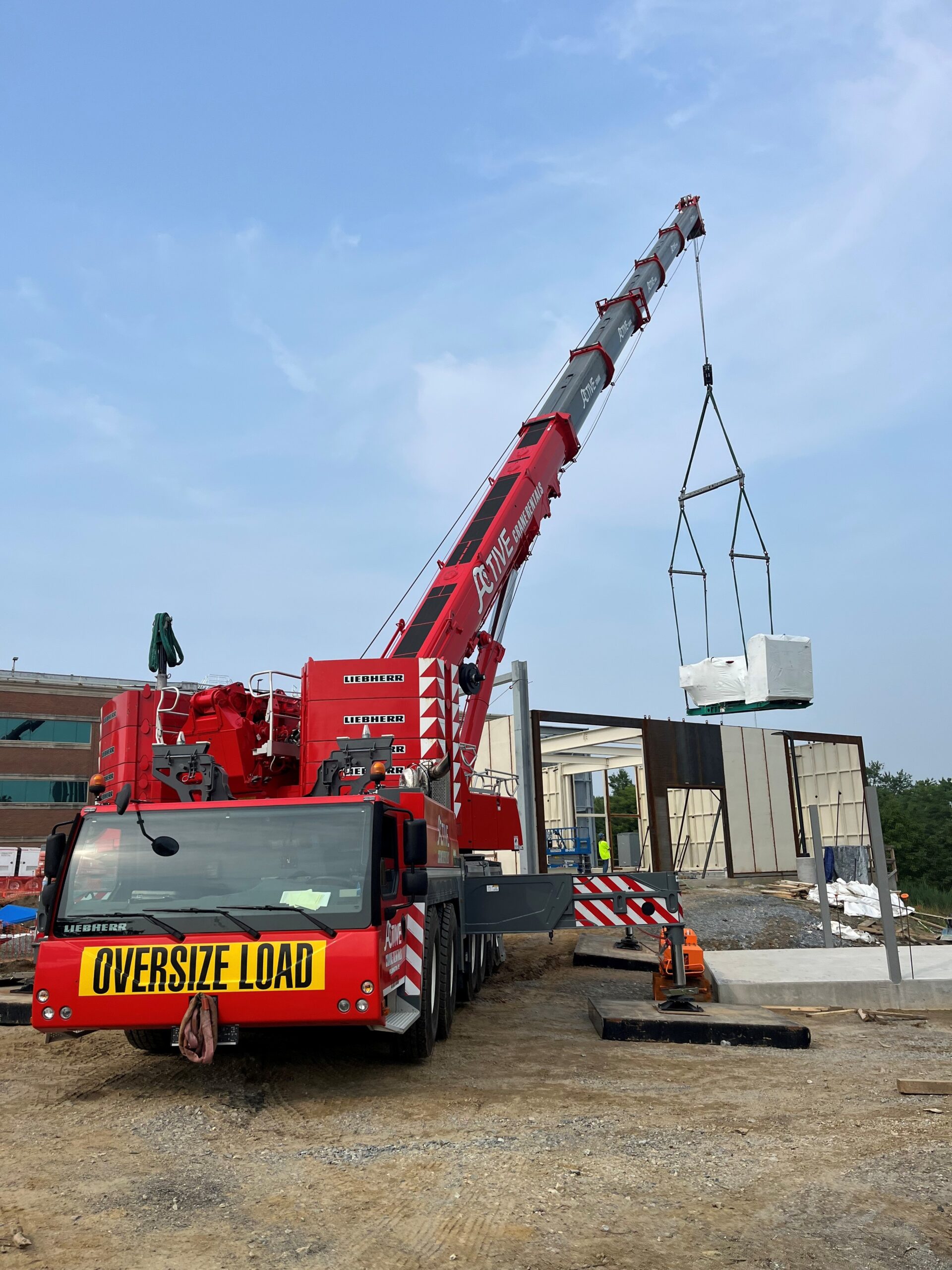
Crane cost is never just about the hourly or daily rate. Instead, the total cost is shaped by multiple variables, including:
- Crane capacity and type
- Lift radius and boom length
- Duration of the rental
- Mobilization and travel fees
- On-site conditions and efficiency
- Crew requirements and certifications
- Weather delays or unexpected load adjustments
Understanding these factors allows you to accurately predict costs and avoid surprises later.
Let’s break down the most important components of cost-effective crane rental for estimators.
What You Need for Cost-Effective Crane Rentals
How Utilization Rates Impact Your Budget
One of the biggest opportunities for savings lies in understanding utilization—how much of the time you’re renting a crane is actually productive time.
A crane sitting idle is expensive, especially if you’re paying for standby time or a full-shift minimum.
How Utilization Affects Crane Cost
High utilization = lower overall cost per lift
Low utilization = inflated cost and wasted budget
Even if your crane rental rate is competitive, poor coordination on-site can sabotage your savings.
Keys to Maximizing Utilization
- Ensure all materials are staged before the crane arrives: Waiting for deliveries or crew availability is one of the biggest sources of lost time.
- Schedule trades strategically: If the roofer, steel crew, or HVAC team isn’t ready, the crane becomes a very expensive paperweight.
- Share the crane across tasks when possible: One mobilization serving multiple lifts is significantly cheaper than returning multiple times.
A well-utilized crane makes even a higher-capacity machine cost-effective, while a poorly utilized crane (regardless of size) quickly eats into margins.
Mobilization Fees and How to Reduce Them
Mobilization and travel fees are often overlooked but can be a major portion of the total crane cost, especially on shorter projects.
Mobilization fees typically account for:
- Transporting the crane to and from the site
- Escort vehicles (for larger cranes)
- Permits for oversize loads
- Assembly and disassembly time
- Additional labor required to set up the crane
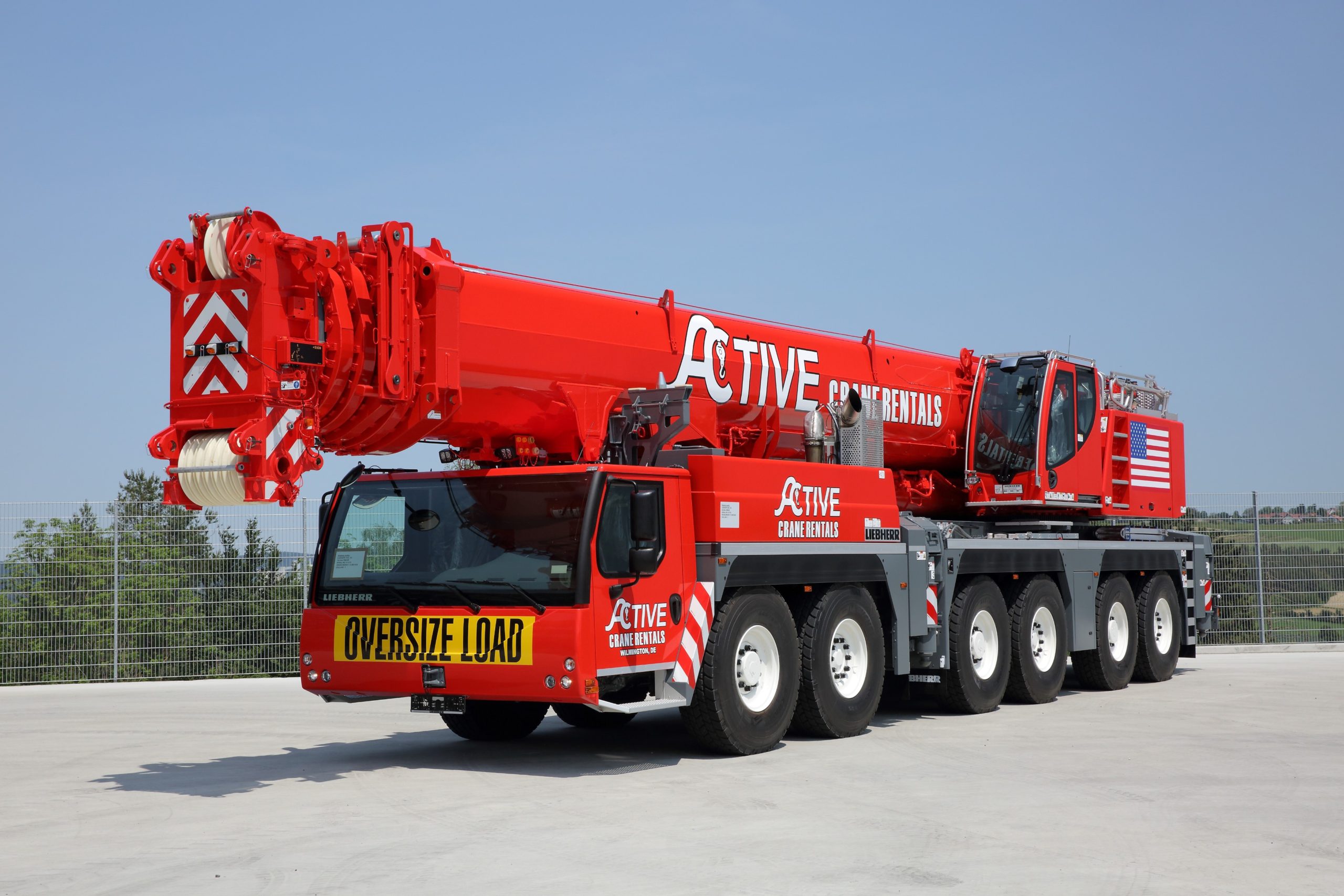
How to Minimize Mobilization Costs
- Choose the smallest crane that safely does the job: Smaller cranes have lower mobilization fees, require fewer permits, and may not need escort vehicles.
- Bundle lifts into a single mobilization: If you can complete multiple lifts in one trip, you save significantly.
- Plan around city or DOT travel restrictions: For example, certain municipalities restrict heavy equipment travel during rush hours or school traffic windows. Missing the approved travel window may require a second day of mobilization, doubling your cost.
- Provide accurate site access details: Soft ground, tight access, or uneven terrain may require additional mats or setup time, increasing mobilization labor.
Reducing mobilization costs is one of the fastest ways to lower your crane rental total.
Minimum Rental Periods to Avoid Paying for Time You Don’t Need
Virtually all crane rental services include minimum rental periods, such as:
- 4-hour minimum
- 5-hour, 8-hour, or full-day minimum
- Travel time is added to the minimum
- Overtime premiums depending on the schedule
How to Optimize Around Minimums
- Plan the day so all lifts fit within a single minimum period when possible.
- Avoid fragmented lift schedules, which often force you to book unnecessary hours.
- Understand overtime thresholds—sometimes moving a lift 30 minutes earlier or later avoids an OT rate.
- Avoid late add-ons that push the lift into an extra minimum block.
Your best strategy is to coordinate with the crane rental partner early so you can build your schedule around the minimums, not the other way around.
Lift Radius and Load Weight to Select the Most Cost-Effective Crane
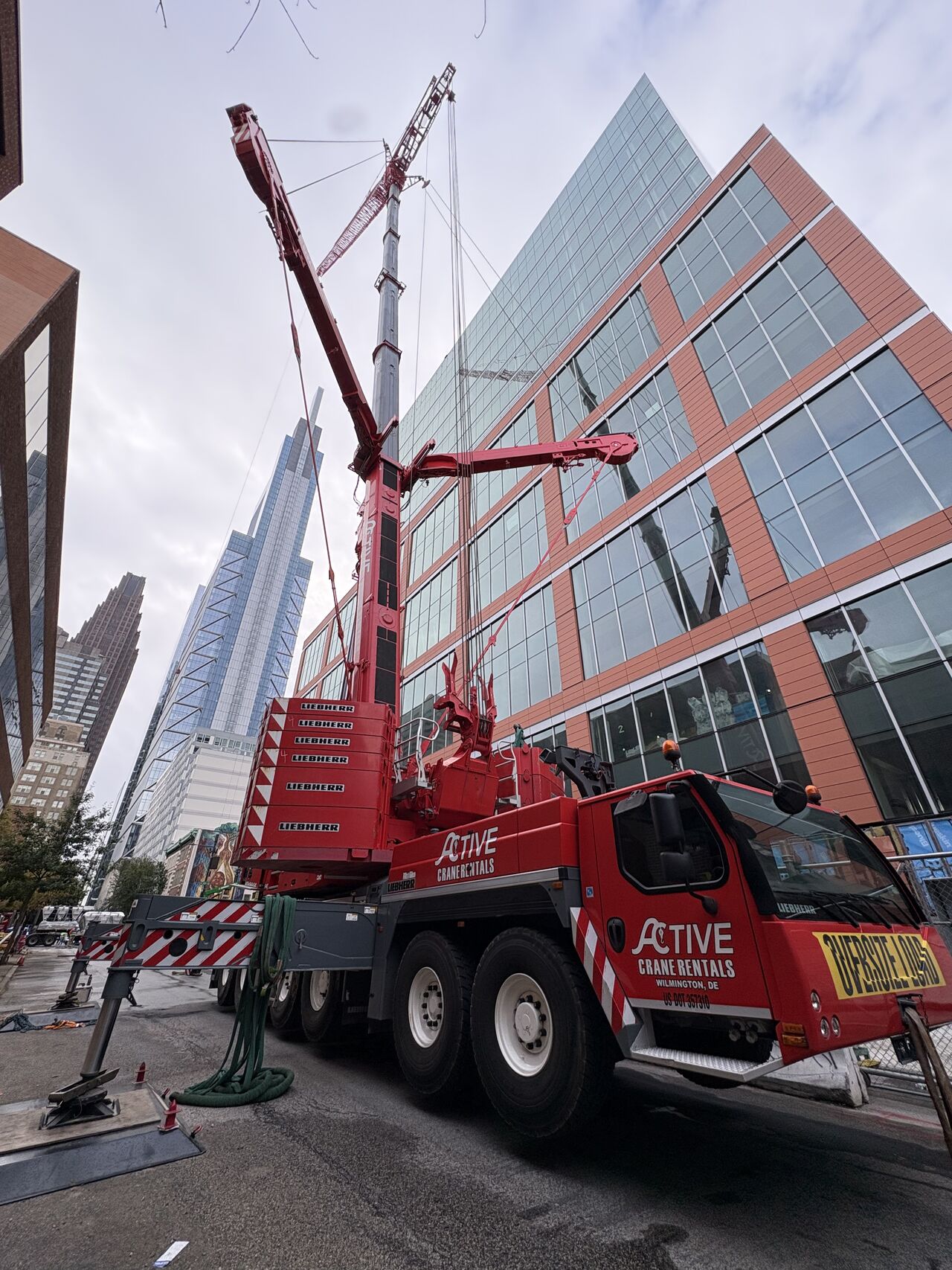
This is where estimators can have the biggest financial impact.
Capacity and radius determine the crane you need. This includes anything you can do to reduce load weight or shorten the radius, which directly reduces cost.
Why Lift Radius Is the #1 Cost Driver
A crane’s capacity decreases dramatically as the radius increases.
Even small changes, such as moving the crane closer to the load, can allow you to:
- Downsize the crane (major cost savings)
- Reduce boom length (lower mobilization)
- Eliminate the need for counterweights (faster setup)
Strategies for Reducing Radius
- Confirm the crane can get closer with better job site layout planning.
- Move material stockpiles closer to the crane’s setup location.
- Coordinate with site supervisors to clear obstructions early.
- Review site drawings with your crane rental partner before finalizing specs.
Why Accurate Load Weight Matters
Overestimating weight forces you to rent a larger crane than needed.
Underestimating weight creates safety risks and mid-lift issues.
Best practices:
- Always get the real weight whenever possible.
- Use manufacturer specs, equipment tags, engineering drawings, and crane scales during test lifts.
When the weight is truly known, selecting the lowest-capacity safe crane becomes much easier and more accurate.
A Crane Rental Partner Who Helps You Reduce Costs the Right Way
A cost-effective crane rental doesn’t come from cutting corners.
It comes from aligning project requirements with smart crane selection and efficient planning.
Your crane partner should understand the pressures estimators face and help you protect the budget without jeopardizing performance or safety.
Here’s what should set them apart:
- Accurate Lift Planning: They should analyze your radius, load weight, and site conditions to recommend the most efficient crane, not the biggest one.
- Cost-Saving Recommendations: They should help you minimize mobilization costs, setup time, capacity overkill, idle time, and unnecessary return trips.
- Clear, Transparent Pricing: Their estimates break down minimums, travel time, mobilization, crew requirements, and any additional fees.
- Experienced Operators and Technical Support: An inexperienced operator can slow down a lift. The right, experienced operator completes lifts faster and more safely—saving time and money.
- Reliable Equipment: Well-maintained cranes reduce downtime, reduce troubleshooting delays, and keep your project moving on schedule. When a crane performs flawlessly, your cost-efficiency increases dramatically.
Cost-Effective Doesn’t Mean Cheap—It Means Smart
The goal isn’t to rent the cheapest crane.
The goal is to rent the right crane—the safest, most efficient, most cost-effective crane for your specific lift.
As an estimator, you have the power to influence:
- Total crane rental cost
- On-site productivity
- Schedule efficiency
- Safety
- Budget performance
And when you partner with a crane rental service like Active Crane, you’re not navigating those variables alone.
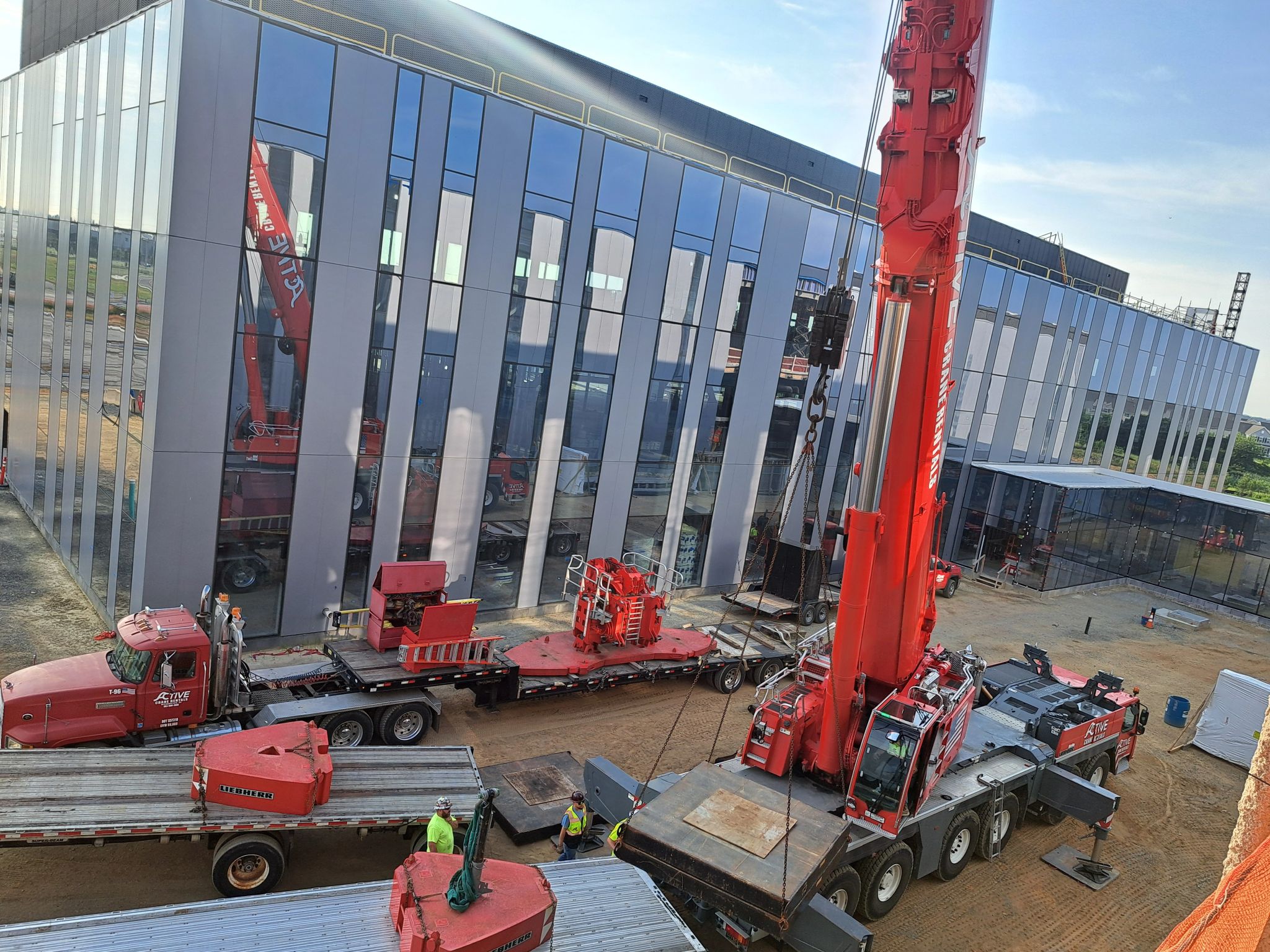
Build a Smarter, More Accurate Crane Estimate
Active Crane makes it easy and lifts the load right off your shoulders.
Get expert guidance, transparent pricing, and the support you need to choose the safest and most cost-effective crane for your project.
FAQs
What factors have the biggest impact on crane rental cost?
Crane rental cost is primarily influenced by crane size, lift radius, load weight, mobilization fees, and minimum hourly requirements.
Additional factors include travel time, permits, specialized rigging needs, and site conditions.
Understanding these elements helps estimators choose the most cost-effective crane that still meets all project requirements.
How can I reduce crane rental costs without compromising safety?
You can reduce costs by optimizing lift radius, confirming accurate load weights, improving site access, and selecting the lowest-capacity crane that safely meets the lift requirements.
Clear communication with your crane rental service ensures proper planning, prevents delays, and eliminates avoidable add-ons or re-lifts.
Why does lift radius affect crane pricing so much?
The lift radius directly determines the crane’s required capacity.
Even small increases in radius can demand a larger, more expensive crane.
By minimizing the distance between crane and load—whenever site conditions allow—you can significantly lower rental costs while maintaining full safety and compliance.
What information do I need to provide to get an accurate crane rental estimate?
You’ll need the load weight, lift height, lift radius, site location, site access details, project timeline, and any special rigging needs.
Accurate information helps the crane rental company select the right equipment, avoid unexpected charges, and deliver a realistic, cost-efficient estimate.
Do minimum rental periods really affect total crane cost?
Yes. Many crane rental services have minimum hourly or daily rental requirements, especially for larger cranes.
Even if your lift takes less time, you’ll still pay the minimum. Planning multiple picks or coordinating tasks within that time window helps maximize value and avoid wasted budget.
Recent Comments