
What You’ll Learn
How can I assess crane needs faster and more accurately during bidding?
With a clear framework and a few practical calculations, you can make smarter, quicker decisions that keep your estimates realistic and competitive.
By focusing on the right variables early, you’ll reduce back-and-forth, avoid surprises, and move confidently through the bidding process.
The 8 tips:
- Start With the Worst-Case Lift Scenario
- Determine Lift Radius Before You Do Anything Else
- Confirm Total Load Weight
- Match Crane Capacity to That Radius — Not Just Peak Load
- Consider Ground Conditions Early (Before You Lock In Costs)
- Identify Access Constraints That Could Change Crane Selection
- Use a Pre-Lift Planning Conversation as a Time-Saver
- Build in a Margin for Logistics, Not Just Equipment
Your job as an estimator isn’t exactly simple.
You’re expected to analyze complex scopes, compare vendors, anticipate risks, and build a defensible budget—often on tight deadlines.
Adding cranes and hoisting thousands of pounds into the air to the mix just adds to the pressure.
A single miscalculation on lift radius, load weight, or safety requirements can derail your estimate, inflate costs, or create major problems once the project is awarded.
The good news is this: you don’t need perfect information to make smart decisions quickly.
You need a clear framework, repeatable shortcuts, and a reliable crane partner who can validate your assumptions before it’s too late.
Below are eight actionable tips you can use to rapidly assess crane needs, reduce back-and-forth, and save valuable time during the bidding process—without sacrificing accuracy or safety.
1. Start With the Worst-Case Lift Scenario
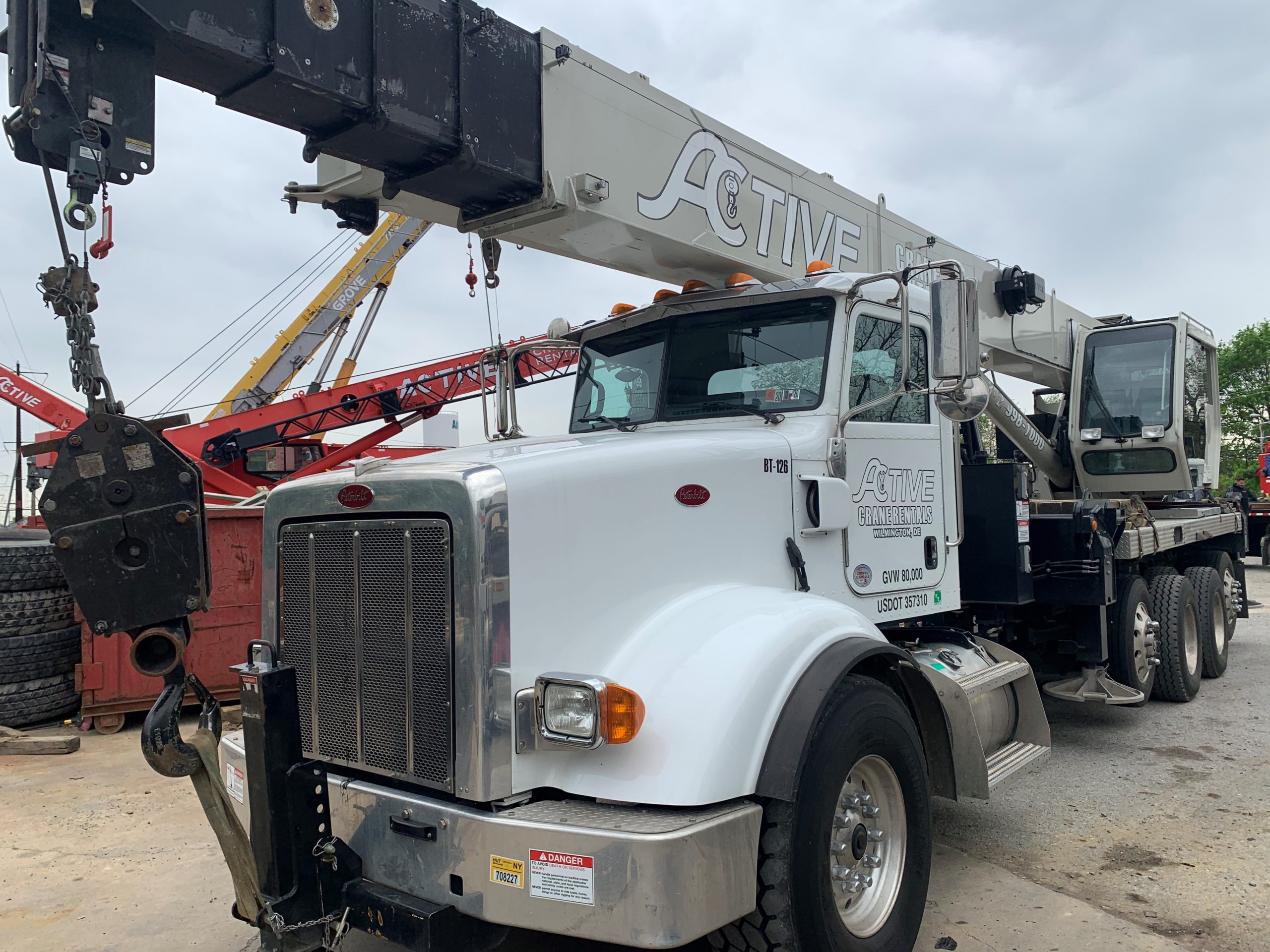
Instead of trying to evaluate every lift equally, identify the most demanding pick in the project first. Ask:
- What is the heaviest load?
- What is the furthest lift radius?
- What is the highest placement point?
If you size your crane around the most challenging lift, you’ll have a strong baseline for everything else.
This prevents you from underestimating early and scrambling later when a tougher pick emerges.
2. Determine Lift Radius Before You Do Anything Else
Lift radius is often the single biggest driver of crane size and cost. Even small changes in distance can dramatically reduce or increase required capacity.
A fast way to estimate radius during bidding:
- Use site plans, Google Earth, or aerial imagery to approximate crane placement.
- Measure the horizontal distance from the likely crane setup location to the load placement point.
- Add a small buffer for real-world variability.
If you can define a realistic lift radius early, you’re already ahead of most estimators.
3. Confirm Load Weight
Whenever possible, validate weight from more than one source:
- Manufacturer cut sheets
- Shop drawings
- Engineering specs
- Shipping documents
If numbers vary, assume the highest reasonable weight for bidding purposes.
It’s far safer to estimate high and refine later than to bid low and get stuck with a bigger crane you didn’t budget for.
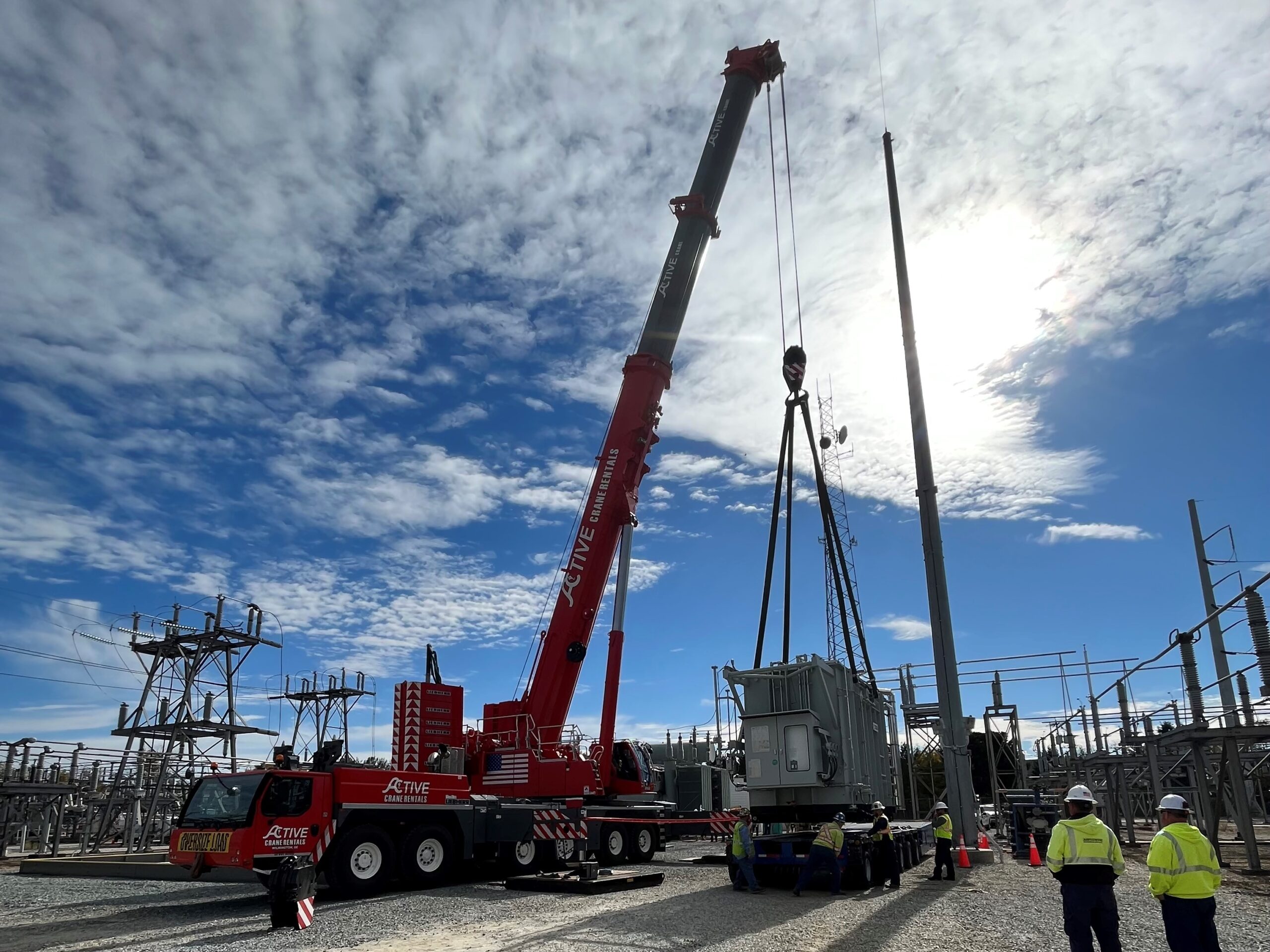
4. Match Crane Capacity to That Radius—Not Just Peak Load
Cranes don’t have one static capacity. Their lifting ability decreases as the radius increases.
Instead of asking, “Can this crane lift 10,000 pounds?” ask, “Can this crane lift 10,000 pounds at this specific radius and height?”
During bidding, you don’t need a perfect chart analysis—but you should at least understand that a crane that works at 20 feet may not work at 80 feet. This awareness helps you avoid lowballing equipment requirements.
5. Consider Ground Conditions Early (Before You Lock In Costs)
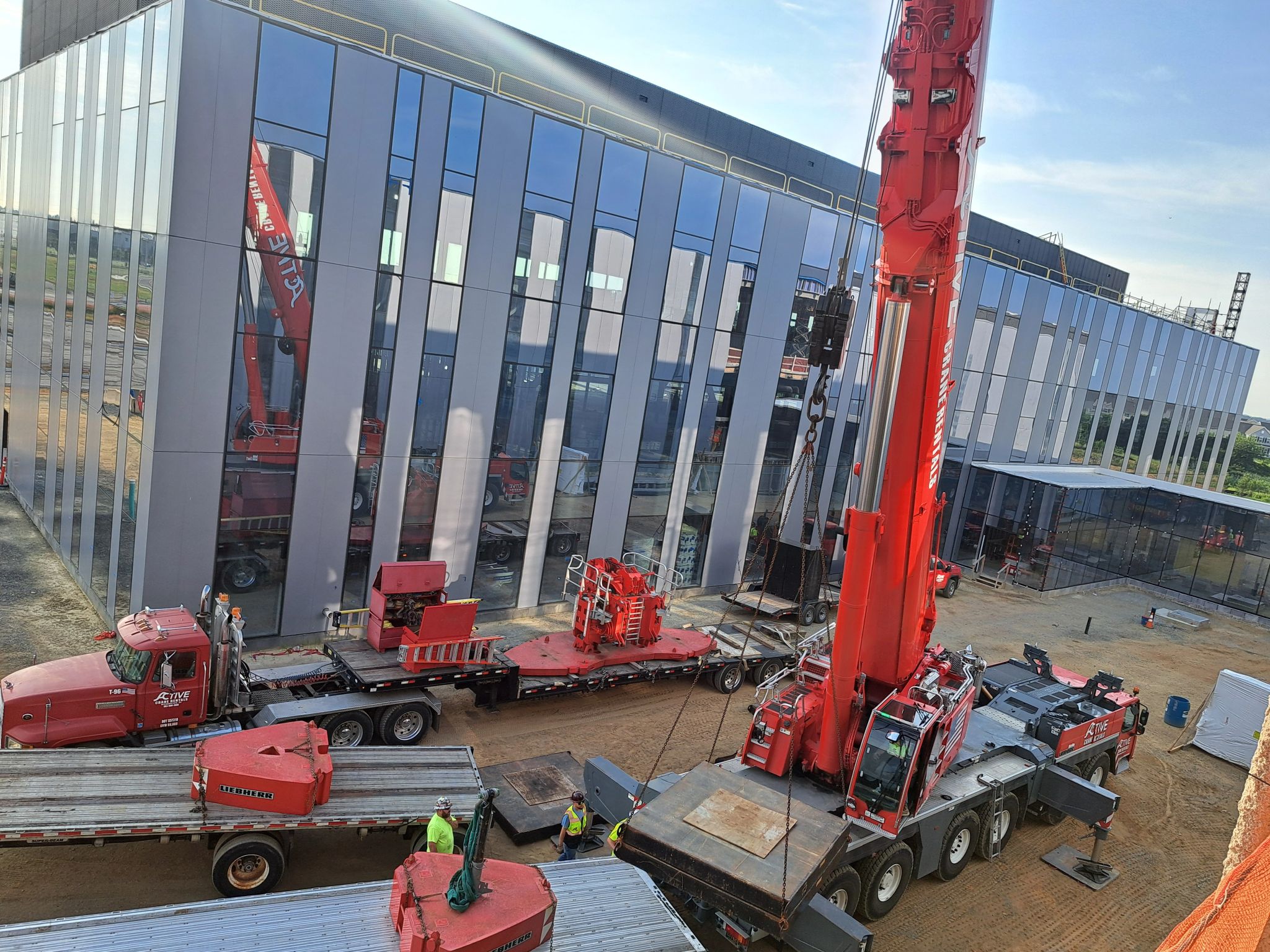
Complex lifts require more than raw lifting capacity. Proper rigging and lift planning ensure:
- Load balance, sling configuration, and spreader bar selection match the lift.
- Environmental factors like wind, ground stability, and overhead obstructions are evaluated.
- Adjustments are made in real time during the lift.
A crane partner that provides on-site technical guidance ensures lifts are executed the first time, avoiding costly re-lifts or damage to materials and equipment.
6. Identify Access Constraints That Could Change Crane Selection
Access issues often drive equipment choice more than lift requirements. Quickly assess:
- Gate widths
- Overhead obstructions
- Tight turns or narrow roads
- Nearby structures limiting crane positioning
If access is tight, you may need a smaller, more maneuverable crane—or additional setup time. Noting this during bidding helps you avoid surprises later.
7. Use a Pre-Lift Planning Conversation as a Time-Saver
Instead of guessing your way through crane needs, schedule a short pre-bid planning call with your crane partner.
In 20–30 minutes, you can often clarify:
- Recommended crane type and size
- Likely rigging setup
- Expected safety requirements
- Potential logistical challenges
This upfront investment saves hours of revisions later and leads to a more accurate bid.

8. Build in a Margin for Logistics, Not Just Equipment
Many estimators focus solely on crane rental rates and forget about logistics such as:
- Mobilization and demobilization
- Travel time
- Permits
- Traffic control
- Site coordination
A fast rule of thumb: include a reasonable logistics allowance in your preliminary estimate, then refine it once you have more detail. This keeps your budget realistic from day one.
How These Tips Speed Up Your Bidding Process
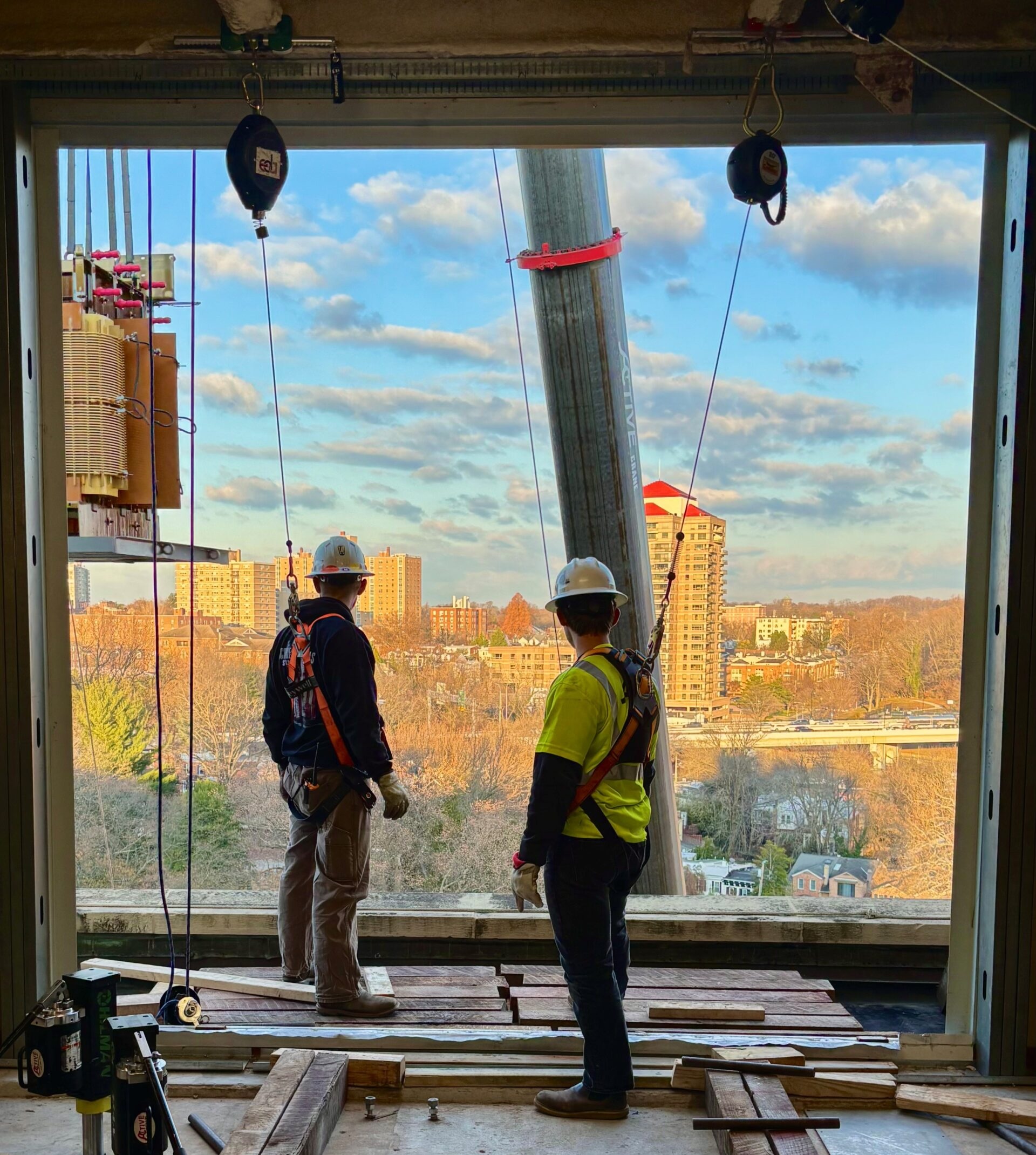
When you apply these eight tips consistently, three things happen:
- You make faster, more confident decisions.
- You’re no longer guessing—you’re following a repeatable framework.
- You reduce back-and-forth with vendors.
Clearer inputs lead to clearer, faster estimates.
You avoid costly mid-project surprises.
By thinking through radius, load, rigging, ground conditions, and safety early, you protect your budget before it’s locked in.
Why Your Crane Partner Matters in This Process
Even with the best estimating habits, you still need a knowledgeable crane partner who can validate your assumptions and fill in the gaps.
The right partner will:
- Help you confirm lift radius and capacity requirements
- Assist in calculating the total gross load, including rigging
- Flag potential site or access challenges early
- Provide all required safety documentation without delays
- Offer pre-lift planning support before your bid is finalized
- This collaboration doesn’t slow you down—it speeds you up.
Plan Your Next Lift Smarter and Faster with Active Crane
Active Crane works with estimators during the bidding phase to clarify crane needs, refine lift assumptions, and provide the documentation and expertise you need to build accurate budgets with confidence.
Contact Active Crane today to request an estimate and start your next project with clarity, speed, and precision.
FAQs
How do I quickly estimate crane cost during bidding?
To estimate crane cost quickly, start with lift radius, gross load (including rigging), and site access. Then, factor in mobilization, setup time, and any ground preparation.
A short planning call with a crane rental services provider can validate assumptions and prevent underestimating total costs.
Why does lift radius matter more than load weight?
Lift radius directly affects a crane’s capacity and stability, often more than the load itself.
As radius increases, available lifting power decreases, which can require a larger crane, higher crane cost, and additional setup, making early radius estimation critical for accurate bids.
What should I include in the total rigging weight?
Total rigging weight should include the lifted object plus slings, shackles, spreader bars, lifting beams, and any attachments.
Many estimators add 5–10 percent as a buffer. This ensures gross load calculations align with real-world crane rental services requirements.
How do ground conditions impact crane planning and cost?
Soft soil, backfill, or pavement over utilities may require crane mats, steel plates, or additional engineering review.
These safety measures add time and crane cost, so assessing ground conditions early helps estimators build more accurate and compliant budgets.
Why is pre-lift planning valuable for estimators like me?
Pre-lift planning clarifies crane selection, rigging needs, safety documentation, and logistics before bids are finalized.
This reduces your change orders, minimizes delays, and helps estimators partner with crane rental services that proactively manage risks and control overall crane cost.
Recent Comments