What You’ll Learn
What happens when a site safety officer and a crane crew don’t see eye to eye on a safety protocol?
When safety is on the line, the answer isn’t about authority—it’s about responsibility.
At Active Crane, every disagreement is resolved by prioritizing one thing above all else: keeping people and property safe.
In this blog:
You watched the crane operator call for the all clear.
The new cooler was about to go up 30 stories to the top of the new building.
At least you thought.
It didn’t leave the ground before the operator called it all to a halt, saying the weight calculation was wrong and they needed to reevaluate the lift.
Your site manager immediately disagreed. Now what?
Safety Isn’t a Debate. It’s a Standard and a Shared Responsibility.
Disagreements about safety can happen on any job site, especially when the work involves complex or high-risk lifts.
Wind speeds can change suddenly.
Equipment behavior can differ from expectations.
Even load weights can surprise everyone once the crane’s scale reveals the truth.
These moments are where professionalism, communication, and a well-defined safety process matter most.
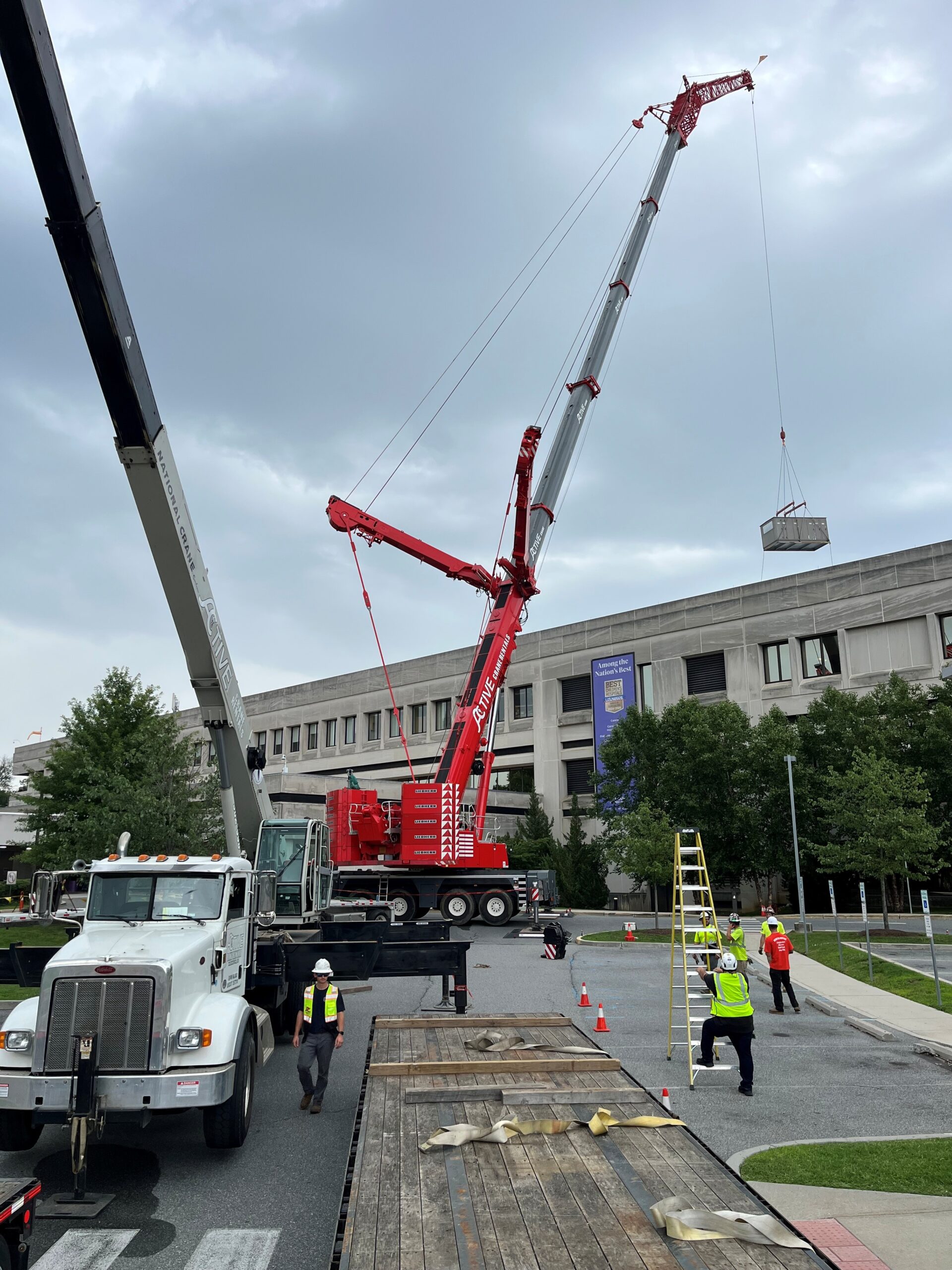
When it comes to safety, there’s no gray area.
Our policy on safety protocols is cut-and-dry: If there’s any hesitation or concern—from the crane operator, the client’s safety officer, or anyone involved—the operation stops until every question is resolved.
The lift either meets every standard for safety and stability, or it doesn’t. And if it doesn’t, we don’t proceed. That level of certainty isn’t just our philosophy—it’s our responsibility.
At Active Crane, we welcome collaboration with site safety officers and project managers.
We share the same goal: a safe, successful lift that completes without incident.
But when there’s a difference of opinion on a safety protocol, our process ensures that the final decision always prioritizes safety over schedule or convenience.
At the end of the day, safety isn’t a competition between teams—it’s a shared mission.
We know project managers and site safety officers carry immense responsibility, and we take pride in being the kind of partner who shares that burden, not adds to it.
That’s why our operators are empowered to make the hard calls.
That’s why our management team enforces strict inspection, training, and certification standards.
And it’s why we never compromise—no matter the pressure to meet a deadline.
The Final Say: The Crane Operator
While every safety officer’s input is respected and every concern is taken seriously, the crane operator holds the ultimate authority—and responsibility—for deciding whether a lift proceeds.
That’s not just company policy; it’s an industry standard rooted in both OSHA and NCCCO regulations.
The crane operator is the one physically in control of the equipment.
They bear the liability and have the most immediate understanding of how environmental and physical conditions affect the lift in real time.
Even if the crew and the safety officer believe conditions are acceptable, the operator can and will call a stop if they deem the situation unsafe.
Their decision is final.
Why the Operator’s Judgment Matters Most
The crane operator isn’t just an equipment operator—they are a highly trained, certified professional with deep technical expertise in lift safety, rigging dynamics, and environmental impact on crane behavior.
They are continuously evaluating dozens of variables, including:
- Load weight and balance
- Wind speed and direction
- Boom length and angle
- Ground stability and crane positioning
- Visibility and communication conditions
Each factor plays a crucial role in whether the lift can be performed safely.
Even small changes in any of these can have major implications for stability and control.
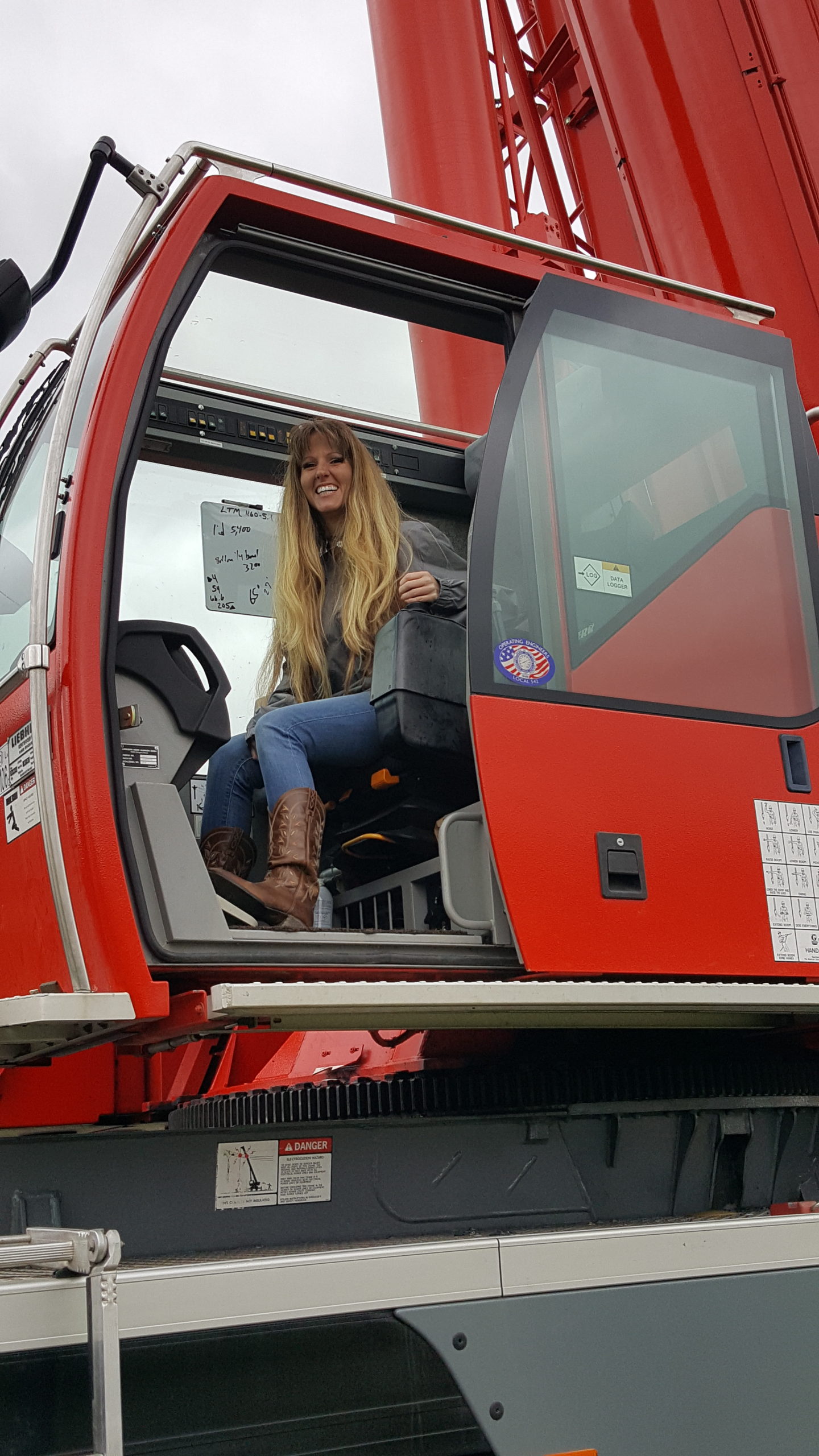
Top 2 Causes for Safety Disagreements
1. The Wind: The Most Common Cause

In our experience, one of the biggest reasons site teams and crane operators disagree comes down to a single, unpredictable factor: wind.
Wind is one of the most difficult elements to control or accurately predict on a job site.
The forecast might call for 15 mph winds at ground level, but at just 50 feet above the ground—where the crane boom and load are operating—those winds can be dramatically stronger.
For lightweight materials like roofing panels, siding, or metal framing, the risk multiplies. These materials can act like sails, catching gusts that cause loads to spin or sway uncontrollably—even if they’re technically within the crane’s capacity limits.
That’s why the operator’s call is final.
If they determine that the wind poses any risk—no matter what the forecast says or what the schedule demands—the lift will not proceed.
Safety always wins over convenience.
2. When Weight Estimates Don’t Match Reality
Another common source of tension is when the load weight turns out to be different from the client’s estimate.
In many cases, the project team provides the estimated weight for a unit that needs to be lifted—say, an HVAC system or structural beam.
Once the lift begins, the crane’s certified scale might show that the actual weight is much higher than anticipated.
If the crane starts reaching its rated capacity and the load still hasn’t moved, that’s a clear red flag.
In some situations, this means the load is still fastened to the roof or structure—something that could lead to catastrophic failure if forced.
In these moments, the operator will stop the lift immediately, verify the issue, and only resume once it’s resolved and confirmed safe.
No guesswork. No assumptions. Just disciplined safety.
How Active Crane Resolves Safety Disagreements
At Active Crane, safety disagreements don’t escalate.
We’ve built a clear, transparent process to handle these situations calmly and collaboratively, ensuring every decision is aligned with the safest possible outcome.
1. Immediate Stop-Work Order
If there’s any disagreement or uncertainty between the crane operator and the site management, work stops immediately. No exceptions.
The goal is to prevent risk while the situation is assessed, not to win an argument or push the schedule forward.
3. Joint Review of the Lift Plan, Regulations, and Weather
Next, both teams—Active Crane and the client’s site safety leadership—review the lift plan together.
This includes checking OSHA, NCCCO, manufacturer safety parameters, weight load, and weather.
If any aspect of the lift falls outside of approved safety limits, the lift remains on hold until a safe solution is agreed upon.
4. Documentation and Communication
Every stop-work event and safety dispute is documented. This protects both parties and ensures a transparent record of the decision-making process.
Once the issue is resolved, all updates are communicated clearly to every person involved before work resumes.
5. Safe Resumption or Redesign
If conditions can be adjusted to meet safety requirements (for example, rescheduling due to wind or adjusting the rigging configuration), the lift may resume under those revised conditions.
If not, the lift is postponed or redesigned with a new plan that ensures full compliance and safety assurance.
Why This Approach Protects Everyone
Safety disagreements can feel tense in the moment, but they’re actually a sign that your team is doing things right—questioning assumptions, double-checking conditions, and staying alert to changing risks.
This means:
- The crew stays safe.
- The client avoids liability and project interruptions due to incidents or citations.
- The project benefits from a culture of transparency and accountability.
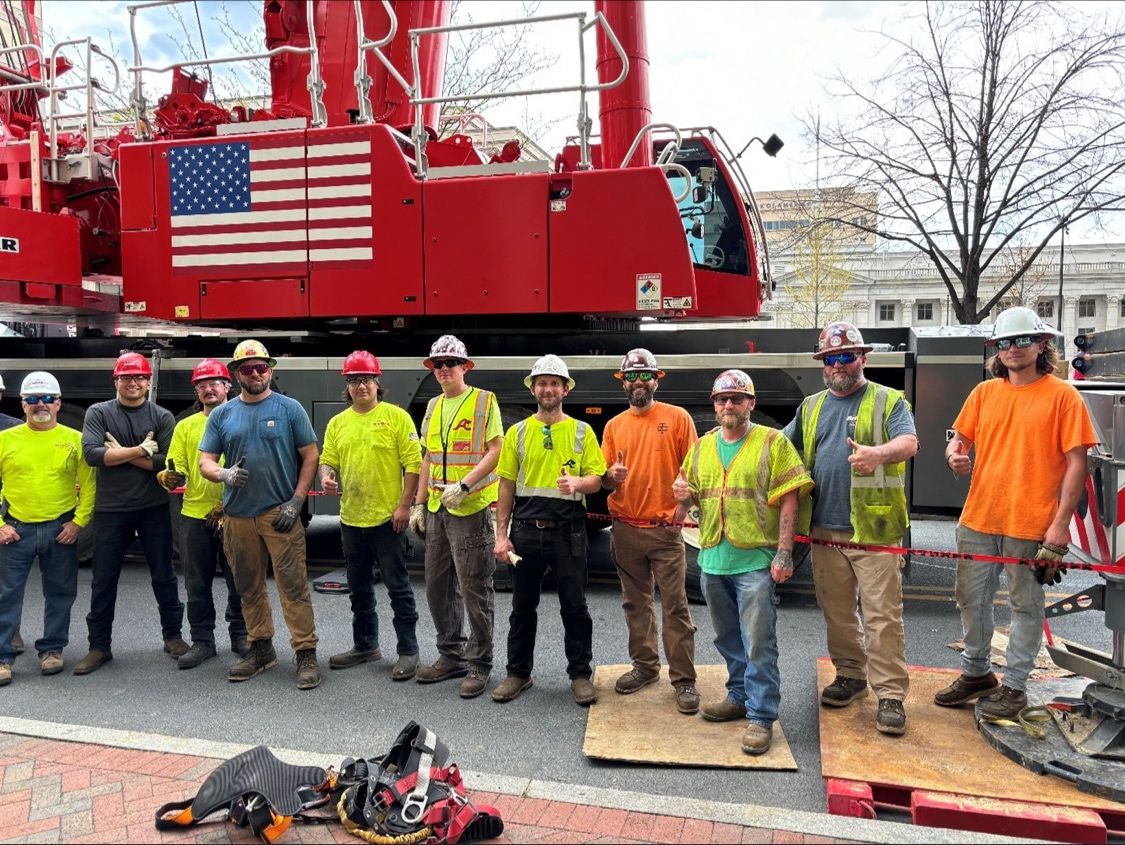
The Active Crane Difference: Safety Without Compromise
At Active Crane, safety is not a box we check—it’s the foundation of every decision we make.
Our operators, field supervisors, and technical staff undergo rigorous training to ensure every lift meets OSHA, NCCCO, DOT, and state regulations.
We believe the safest sites are the most productive ones.
Request an Estimate from Active Crane and experience what it means to have a crane partner who puts safety above all else.
FAQs
Who has the final say in crane lift safety decisions?
The crane operator always has the final say on whether a lift proceeds.
Even if all other crew members and site personnel agree, the operator is ultimately responsible for the safety and control of the lift and can stop operations if conditions appear unsafe.
What happens if there’s a disagreement about wind conditions during a lift?
If wind speeds or directions appear unsafe—especially at higher elevations above the tree or skyline where conditions can differ from ground level—the operator will stop the lift until it’s verified safe to proceed.
How does Active Crane handle weight discrepancies between client estimates and actual loads?
If the crane’s certified scale shows a heavier weight than the client’s estimate, operations are paused until the lift plan and equipment specs are reviewed.
What steps does Active Crane take when safety concerns arise on-site?
Our team follows a clear escalation process once a stop order has been issued by the crane operator:
- joint consultation with the site safety officer
- verification of lift parameters
- adjust lift plan and equipment as necessary
No lift resumes until all parties agree it’s safe to proceed.
Why is the crane operator’s judgment so important?
The crane operator has a unique, firsthand perspective of how environmental conditions—like wind, load swing, and boom angle—affect the lift in real time.
Their training and experience allow them to make critical safety calls that prevent accidents and protect the project.
Recent Comments